
5 Edible Plants to Grow in Your Front Yard Garden
May 15, 20265 Edible Plants to Grow in Your Front Yard Garden
Quick Answer: A good edible front yard garden can include attractive plants such as rosemary, blueberries, figs, strawberries, and edible flowers. These plants can add beauty, seasonal interest, and practical harvests when placed according to sunlight, soil, water access, and how your front yard is used.
A front yard does not have to be only turf, shrubs, and mulch. With the right plan, it can look polished from the street while also giving your family herbs, fruit, flowers, and small seasonal harvests. For homeowners in Columbia, Lexington, Irmo, Lake Murray, Elgin, and nearby areas, edible landscapes can make a yard more useful without making it look messy or unfinished.
1. Rosemary
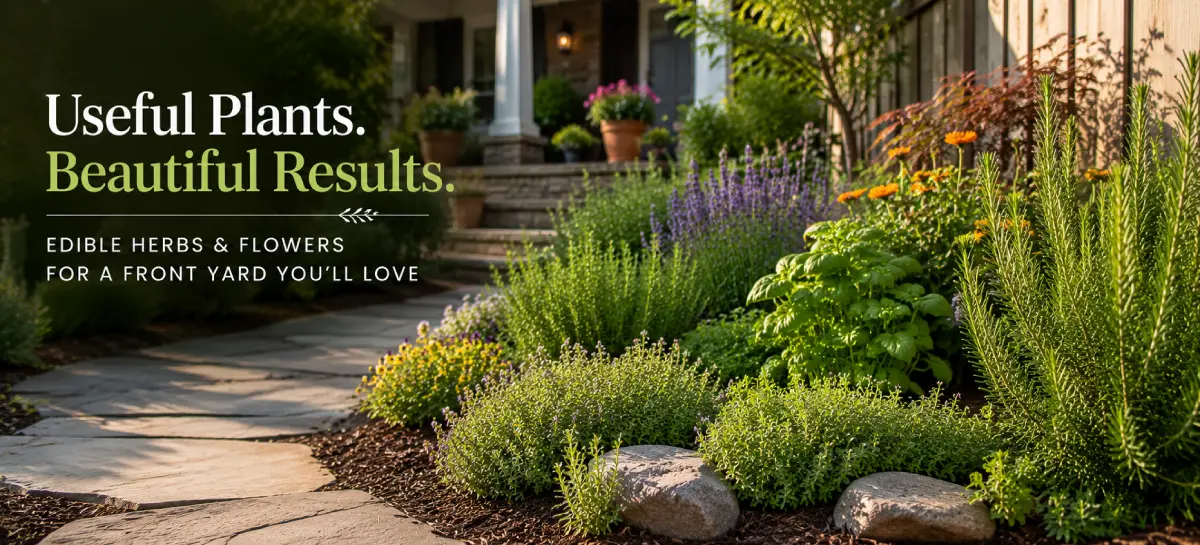
Rosemary is one of the easiest edible plants to blend into a front yard edible landscape. It has a clean shape, evergreen texture, and a strong fragrance, which makes it useful near walkways, steps, and sunny planting beds. In many South Carolina yards, rosemary does best with full sun and well-drained soil. It does not like sitting in soggy ground, so placement matters.
2. Blueberries
Blueberry shrubs can work well in a front yard because they offer spring flowers, summer fruit, and seasonal color. They need acidic soil, good sunlight, and enough room to grow naturally. Blueberries are not just food plants; they can also serve as attractive landscape shrubs when they are grouped with care and not crowded against the house.
3. Figs
A fig tree can become a strong focal point in an edible front yard garden. It brings large leaves, shade, structure, and fruit when planted in the right location. Figs need room, sun, and thoughtful pruning, so they are usually best away from tight foundation beds. They can work especially well in larger front yards where a small ornamental tree would normally be used.
4. Strawberries
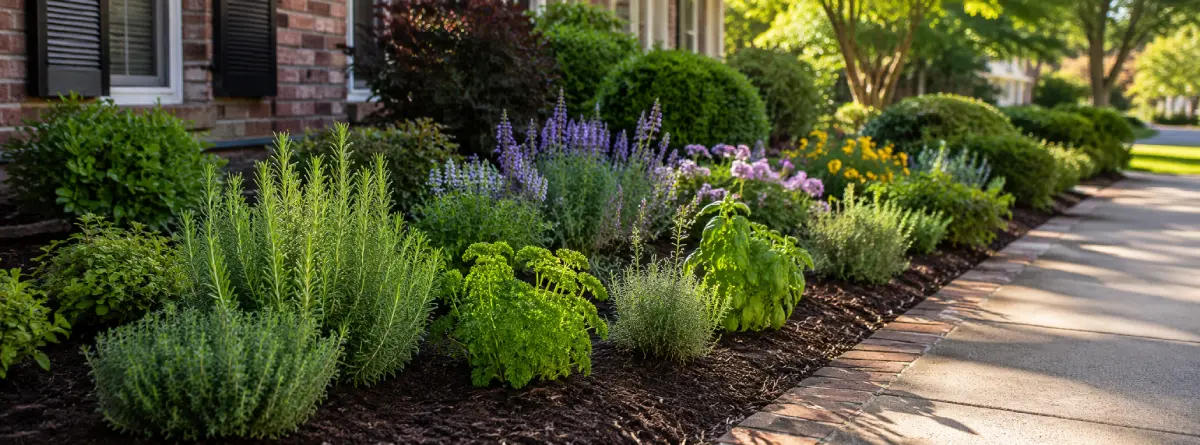
Strawberries can be useful along edges, raised beds, borders, or sunny pockets where a low-growing plant makes sense. They are not always the best fit for high-traffic areas, but they can soften the front of a bed and add seasonal interest. Good drainage, mulch, and spacing are important because crowded strawberry plants can become harder to manage.
5. Edible Flowers
Edible flowers such as nasturtiums, calendula, and violas can add color while also supporting a more useful garden. They can help soften the look of herbs, berries, and fruiting plants so the front yard still feels intentional. For a more local and resilient design, it is also smart to consider native plants for South Carolina yards around edible areas to support pollinators and improve the overall planting plan.
Why This Matters
An edible front yard garden can give homeowners more value from the space they already have. Instead of maintaining a yard that only looks green, you can create a front landscape that looks welcoming, supports seasonal interest, and offers small harvests. The best results come from balancing beauty, access, sunlight, water, and long-term maintenance.
Common Mistakes
- Planting fruiting plants where they do not receive enough sunlight.
- Putting edible plants too close to walkways, driveways, or foundation walls without allowing for their mature size.
- Mixing too many plants together without a clear design, which can make the front yard look cluttered.
- Ignoring soil, drainage, and watering needs before choosing edible plants.
Best Practices
- Start with a small number of useful plants and repeat them for a cleaner design.
- Place herbs and small harvest plants where they are easy to reach.
- Use mulch, spacing, and good bed shape to keep the garden looking intentional.
- Choose plants based on sun, soil, drainage, mature size, and how much care you realistically want to provide.
Local Relevance
In Columbia, Lexington, and surrounding South Carolina areas, edible front yard gardens need to handle heat, humidity, heavy rain, dry stretches, and different soil conditions. Good design should account for drainage, mulch, plant spacing, and water access. Smart water-saving landscaping can help edible plants stay healthier without turning the yard into a high-maintenance project.
When to Contact a Professional
It may be time to contact a professional if you want edible plants but are not sure where they should go, how they should fit with your existing front yard, or how to keep the design attractive from the street. A well-planned landscape design should consider sunlight, access, drainage, plant height, curb appeal, and seasonal care before anything is installed.
Final Thoughts
Growing edible plants in the front yard can be practical, beautiful and highly personal when the design fits the home. Rosemary, blueberries, figs, strawberries, and edible flowers are a strong starting point, but the best choices depend on your space and goals. If you want help planning a front yard that looks good and produces something useful, schedule a landscaping consultation with Front Yard Forest.
Frequently Asked Questions
Can I grow edible plants in my front yard?
Yes. Many edible plants can work in a front yard when they are arranged neatly and chosen for the site. The best options depend on sunlight, soil, water access, mature size, and how formal or natural you want the yard to look.
What are the best edible plants for a South Carolina front yard?
Rosemary, blueberries, figs, strawberries, and edible flowers are good options for many South Carolina front yards. The right plant depends on drainage, sunlight, soil conditions, and available space.
Can an edible front yard still look attractive?
Yes. Edible plants can look attractive when they are grouped with clear bed lines, mulch, repeated plantings, and good spacing. The goal is to make the garden feel intentional instead of random.
Do edible landscapes require a lot of maintenance?
Some maintenance is expected. Edible plants may need pruning, watering, harvesting, soil care, and seasonal cleanup. A thoughtful design can make the work easier to manage.
Should I use native plants with edible plants?
Yes, in many cases. Native plants can help support pollinators, add seasonal interest, and make the edible garden feel more connected to the local landscape.