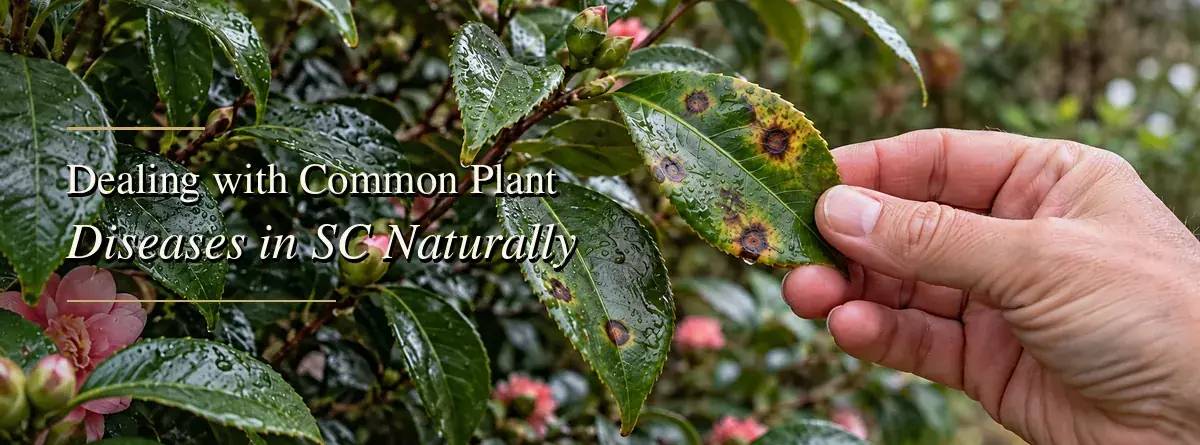
Dealing with Common Plant Diseases in SC Naturally
Nov 01, 2026Look for the cause before choosing a treatment
Spots, yellow leaves, powdery patches, and sudden wilting can make a South Carolina garden look as if disease is spreading. Sometimes a fungus or bacterium is involved. But similar symptoms can also come from drought, waterlogged roots, insects, sun scorch, or a plant growing in the wrong place. The most useful first step is to slow down and look for a pattern. A measured response protects healthy growth and keeps you from treating a problem that may have a different cause.
Start by observing what changed
Note which plant is affected, where symptoms started, and whether they are spreading. Check both sides of leaves, new growth, stems, and the soil near the roots. Are the marks limited to older leaves near the ground? Are several plants of the same kind affected, or just one in a low, wet spot? Take a photo and note recent weather, watering, pruning, and any new plants or products used nearby.
Look for clues, not a quick label. Spots don't identify their cause on their own, and yellowing or wilting can result from disease, insects, drought, or poor drainage. Clemson Extension’s plant and pest diagnostic service can help with persistent or serious problems.
Not every spot means a disease
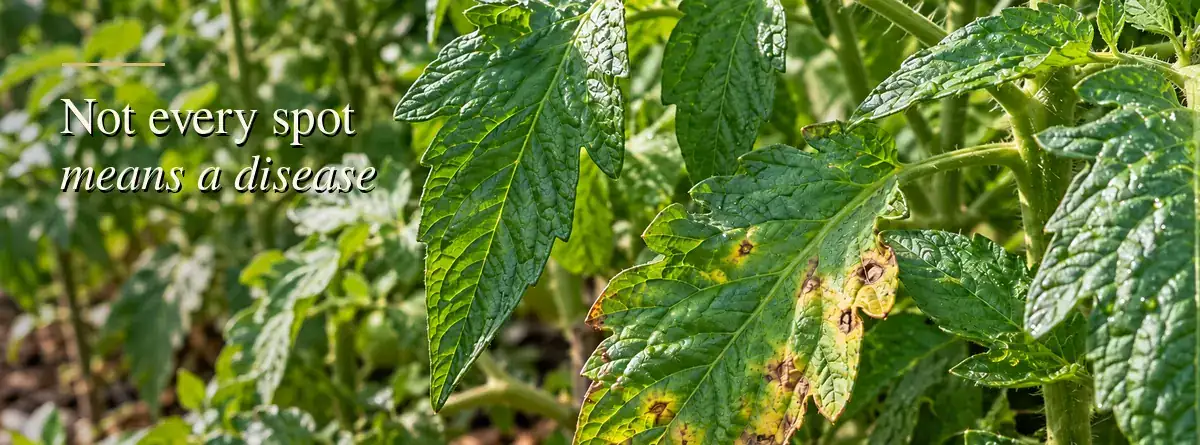
South Carolina’s warm, humid periods can favor some leaf diseases, especially when foliage stays wet. But a few damaged leaves do not always mean the whole plant is infected. Insects, soil splash, sun exposure, and ordinary aging can leave similar marks. Check whether new growth and nearby plants show the same pattern.
Avoid removing a plant or applying treatment based on one symptom. Monitor it, correct obvious stress, and seek identification when symptoms spread or affect stems and roots.
Give foliage room to dry
Crowded plants dry more slowly after rain or irrigation. Prune only as needed to remove dead or crossing growth, and space new plants according to their mature size. Severe pruning can add stress.
Water the root zone rather than routinely wetting leaves. A soaker hose or drip line can help deliver water near the soil. If overhead watering is the only option, morning is generally more practical than evening because foliage has more time to dry. Water for the plant and site. Mulch can reduce soil splash, but avoid keeping it away from stems and trunks.
Remove affected growth with clean tools
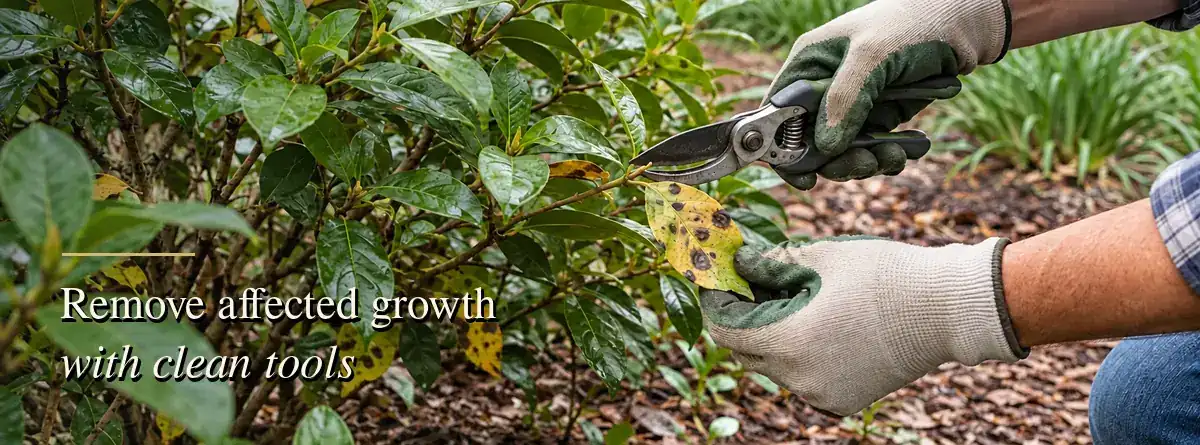
For a small amount of damaged foliage, remove only what is clearly affected and dispose of it with household yard waste when a disease is suspected. Do not leave infected leaves beneath the plant or move them around the garden. Clean pruner blades between plants when disease spread is a concern, and avoid working among wet leaves if you can wait for them to dry.
Do not compost suspected diseased material unless you know the pile can break it down safely. Clemson Extension’s garden sanitation guidance explains how removing debris and cleaning tools can limit spread, though sanitation cannot cure an established infection.
Check roots, drainage, and planting conditions
Check the leaves below too. Does water stand after rain, or does the soil dry quickly? Is the plant getting the light its care guidance recommends? Roots need both moisture and oxygen, and the balance depends on soil, slope, weather, and plant type.
Fertilizer will not correct a fungal disease or poor drainage, and excess can add stress. Use a soil test if a nutrient problem seems possible. Replace a plant that repeatedly struggles with one suited to the site’s light, moisture, drainage, and available space.
Use treatments carefully and only when they fit
“Natural” does not automatically mean harmless or effective. Household mixtures can injure foliage, and organic products can affect beneficial insects if misused. Before applying anything, confirm it is labeled for the plant and problem, follow directions, and consider whether prevention or sanitation is more appropriate.
Fungicides are usually preventive for specific diseases; they do not repair damaged tissue. For a severe or spreading problem, get an accurate diagnosis and follow Clemson Extension guidance. A treatment used on another plant may not fit your situation.
Build a healthier planting plan
Prevention starts with plants suited to the site, proper spacing, thoughtful watering, and clean tools. In Columbia and Lexington, a garden can shift quickly from heavy rain to hot, dry weather, so drainage and reliable water access matter as much as sunlight. Keep brief notes on symptoms and weather; that context can help you spot changes and explain the problem if you seek a diagnosis. Native plants can be a good choice when their needs match the yard; no plant is immune to every disease. Front Yard Forest’s native plant landscaping guidance can help homeowners think through plant selection and site conditions.
For layout or planting help, explore landscape design services. If recurring disease seems tied to wet areas, runoff, or drainage, review the company’s water conservation and drainage solutions. Each yard is different, so the right plan depends on what is happening at the site.
When a plant looks unhealthy, observe first, improve the conditions you can, and confirm the problem before treating it. That approach tends to be the most practical way to manage common plant diseases naturally in South Carolina.