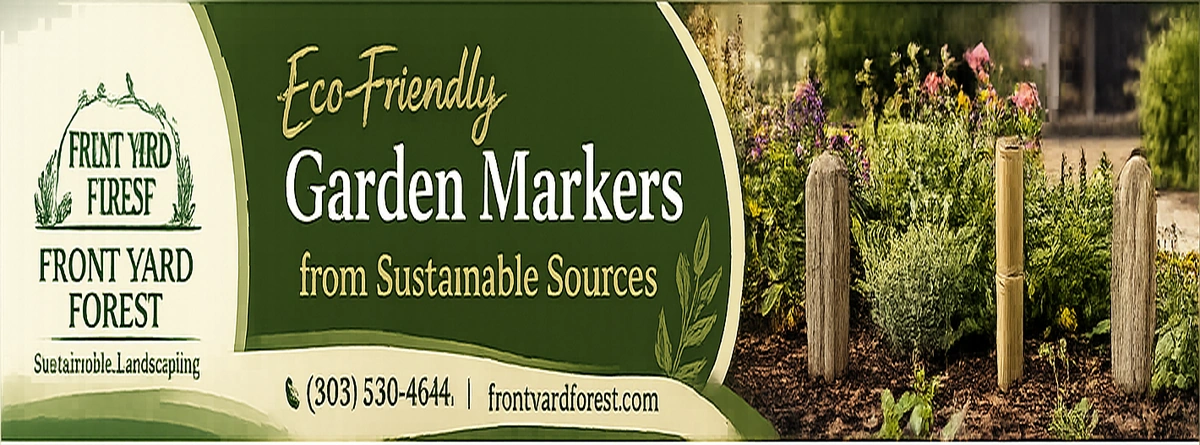
Eco-Friendly Garden Markers from Sustainable Sources
Sep 01, 2026Eco-Friendly Garden Markers from Sustainable Sources
Quick Answer: Eco-friendly garden markers can use reclaimed wood, bamboo, stone, metal, or other materials that are safe for reuse. The ideal marker fits your garden’s needs, can be used again, and clearly labels plants without generating excess waste. This guide covers material choices, how to select them, and tips for picking markers that are better for the environment.Though often overlooked, garden markers help make gardens easier to manage and enjoy. They assist with naming herbs, vegetables, perennials, seedlings, and plants that change with the seasons. Carefully chosen labels can support sustainable landscape design by blending in with the garden’s look rather than standing out.
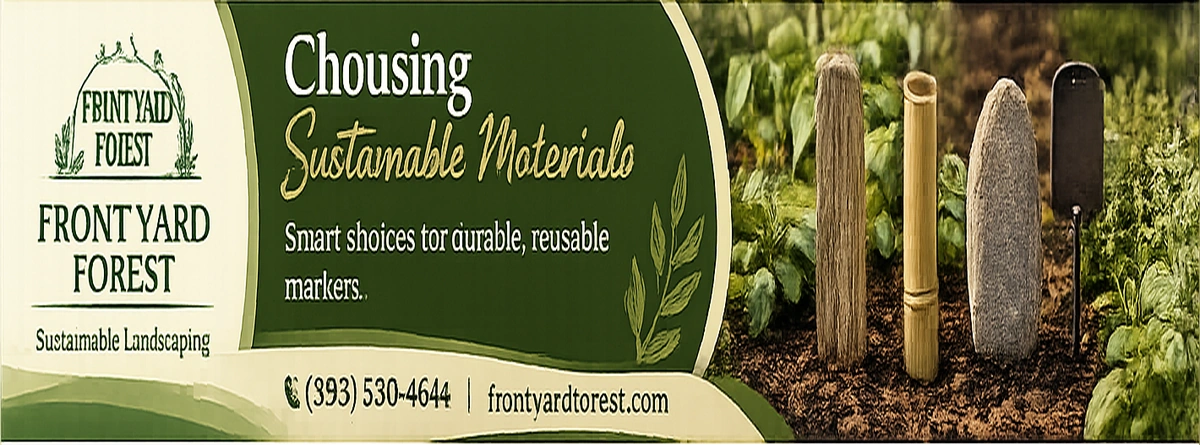
Choose Materials That Can Be Reused
Sustainable garden markers don’t have to be purchased new. Options like reclaimed wood, extra bamboo, stones, metal tags, or other repurposed items work well. Before buying anything, check if you already own something that will do the job safely. When choosing a material, ask: Is it untreated and safe for the garden? Will it last outside? Is it already on hand or being reused? Can you write on it clearly? Using these questions helps you pick markers that are both practical and environmentally friendly.It’s important to choose markers that last. If a marker breaks down quickly, it will have to be replaced often. Sturdy options that can be cleaned and reused for several years are usually a better investment.
Match the Marker to the Garden
Not every part of your yard needs the same type of marker. Smaller labels suit herbs and rows of vegetables, while flower beds and perennials often need more robust markers that can stay up all year.
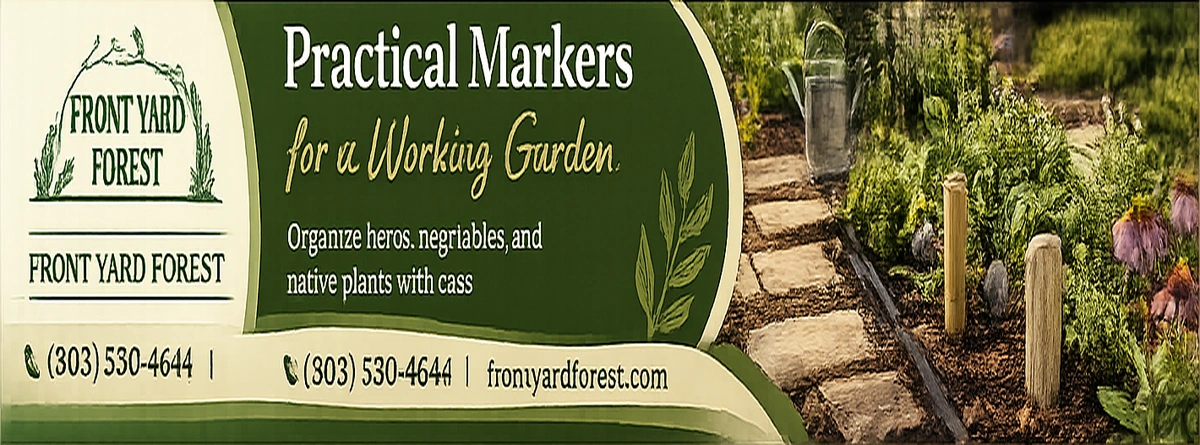
Labels are especially useful in edible landscapes where many types of herbs, vegetables, or fruit plants may be grouped together. For instance, marking different tomato varieties and basil can help everyone remember what is growing where, tell similar seedlings apart, and track which plants do best in each spot.Use Markers as a Garden Reference Tool
Garden markers can hold more than just a name. Depending on their size, you can add the plant variety, when it was planted, or a brief note. Some gardeners use codes or numbers on their markers (like "B2" for the second basil planting) and then keep extra details—like dates and care notes—in a notebook with the same code. This way, reusable markers can refer to more detailed records about each plant.Labels can be equally useful when learning native plants for South Carolina yards. Keeping plants identified makes it easier to remember which species are growing in different parts of the property and observe how they respond to the site's sunlight, soil, drainage, and moisture.
Why This Matters
Sustainable gardening is often built around many small decisions rather than one dramatic change. For example, one local gardener began making simple labels by reusing washed popsicle sticks from summer treats instead of purchasing new plastic markers. This small shift not only reduced waste but also helped keep the garden organized. Reusing materials, choosing durable products, understanding what is planted, and keeping useful garden records can help homeowners make more intentional choices over time. Garden markers are a simple example of how function and environmental awareness can work together.Common Mistakes
- Choosing disposable markers that need to be replaced frequently.
- Using untreated paper or lightweight materials that quickly deteriorate outdoors.
- Making labels so large or brightly colored that they distract from the landscape.
- Using reclaimed materials without checking for sharp edges, peeling coatings, or questionable treatments.
- Writing with a material that fades quickly in sun, rain, and humidity.
Best Practices
- Use reclaimed or repurposed materials when they are safe and suitable for outdoor use.
- Choose a marker size that is easy to see without crowding the plants.
- Use weather-resistant labeling methods appropriate for outdoor conditions.
- Clean and reuse durable markers when plants or seasonal garden areas change.
- Keep permanent garden records separately if important plant information needs to be preserved long-term.
Local Relevance
Garden markers used around Columbia, Lexington, Irmo, Lake Murray, Elgin, and surrounding areas need to handle South Carolina conditions. Strong sunlight, heat, humidity, rainfall, and wet soil can quickly reveal whether a material is appropriate for outdoor use. Wood should be chosen carefully, lightweight materials need to be secure, and written labels should be able to withstand weather exposure.
Plant labels are also useful during seasonal changes. Some perennial plants disappear or become difficult to identify during part of the year. Leaving a discreet marker in place can help prevent accidentally disturbing an established plant while cleaning, mulching, or adding something new to the bed.
When to Contact a Professional
If your interest in garden markers is part of a larger plan to organize an edible garden, add native plants, reduce traditional lawn areas, or redesign an existing landscape, professional planning can help bring those individual ideas together. Front Yard Forest can evaluate site conditions, plant placement, maintenance needs, and your goals to create a landscape that is practical and environmentally thoughtful.
Final Thoughts
Eco-friendly garden markers do not need to be complicated. Select durable and weather-resistant materials, such as reclaimed wood, reusable metal labels, or bamboo, ensuring that each marker can be reused whenever possible and will withstand outdoor conditions. Prioritize options that allow for clear plant identification without generating unnecessary waste. If you would like help incorporating these sustainable best practices into a broader landscape design, you can schedule a landscaping consultation with Front Yard Forest.Frequently Asked Questions
What can I use for eco-conscious garden markers?
Reclaimed untreated wood, bamboo, smooth stones, and durable reusable metal labels are practical options. The best material depends on where the marker will be used and how long you want it to last.
Are wooden garden markers sustainable?
Wooden markers can be a practical eco-friendly option when made from reclaimed, responsibly sourced, or already available untreated wood. Their useful life depends on the type of wood and its exposure to soil and weather.
How do I keep garden marker writing from fading?
Choose a weather-resistant labeling method intended for outdoor exposure. South Carolina sun, heat, humidity, and rainfall can cause some inks and paints to fade or deteriorate quickly.
What information should I put on a garden marker?
At minimum, include the plant name or variety. You can also add the planting date, year planted, or a simple reference number that corresponds with more detailed garden records.
Are garden markers useful for native plant gardens?
Yes. Labels can help identify plants when they are young, dormant, or not flowering and make it easier to learn which species are growing in different conditions around your yard.