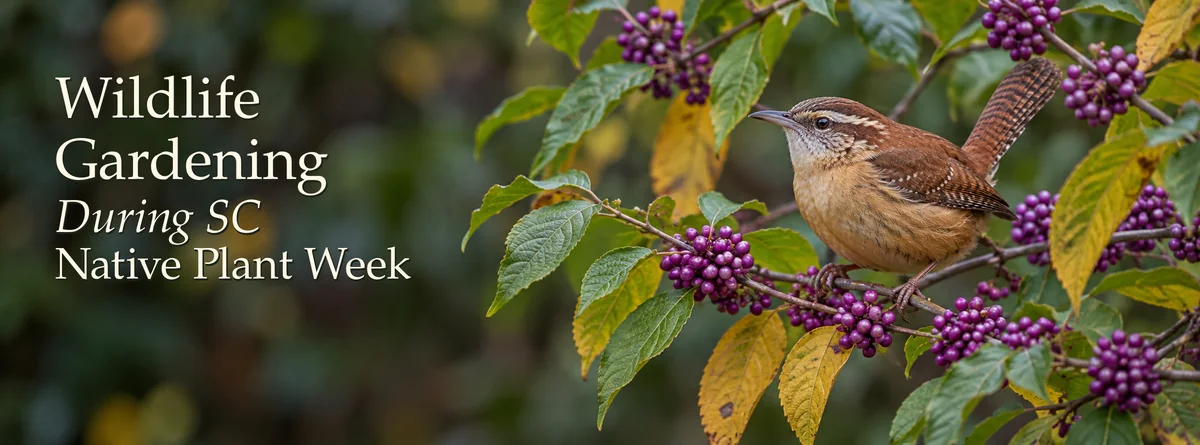
Wildlife Gardening During SC Native Plant Week
Oct 15, 2026Give One Corner of Your Yard a Wildlife Purpose
What appears as a complete garden to us may offer little for wildlife. Flowers sometimes vanish after one season, shrubs are often trimmed before fruit forms, and fallen leaves are quickly removed. South Carolina Native Plant Week is a chance to reconsider a typical planting bed: what could find food, shelter, or a home here?
The South Carolina Native Plant Society schedules the 2026 event for October 18–24. If you live in Columbia or Lexington, you can get involved simply by enhancing one garden bed. Front Yard Forest's wildlife-friendly garden services help balance habitat goals with the realities of yard maintenance.
Look Beyond the Flowers
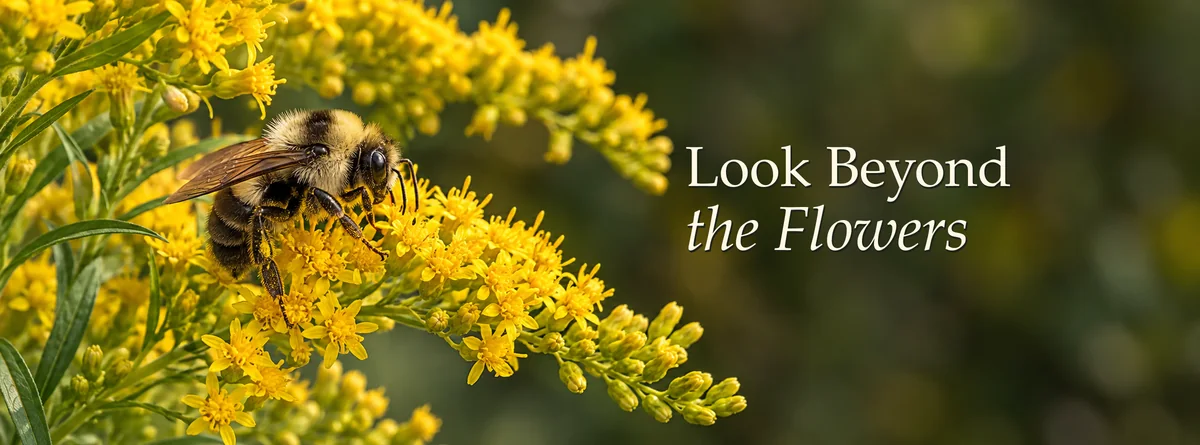
Before adding new plants, take some time to observe your garden. Do insects visit the last flowers? Are there places for birds to hide? Is there low vegetation, or just bare ground under the shrubs? These questions can help you spot what your garden lacks, rather than just making another list of things to buy.
While nectar supports adult butterflies, caterpillars need specific host plants. Birds also depend on plants for shelter and nests, and many feed on insects. A garden that meets several of these needs will offer more for wildlife than one chosen just for its flowers. Healthy trees and shrubs already in place may supply some of this structure.
Pick a single, clear goal—such as adding fall-blooming plants, choosing host plants for butterflies, or keeping shelter under a mature shrub. With a defined purpose, your first step becomes simpler and future choices are easier to make.
Build a Small Planting Around One Missing Resource
Begin with a spot you can care for easily. Maybe it’s a bed by the patio, a quiet edge of the lawn, or a space between shrubs. Make sure you can still reach hoses, gates, or tools. The best area is one that’s simple to look after and doesn’t get in the way.
After that, choose plants that fit the real conditions. Watch how the sun moves across the area, see how fast the soil dries after rain, and consider how wide plants will get as they grow. Even a native plant that likes wet soil might not thrive next to a sunny driveway. Careful native plant selection begins by noticing these details.
If your garden lacks fall food, look for asters or goldenrods that grow well in your region. Narrow your options by species, size, and how they grow. Some spread quickly and fit better in big spaces, while others stay compact. Ask your plant nursery for both the botanical name and how the plant grows over time.
If shelter is what’s missing, a native shrub of the right size may work better than another flowering perennial. If you’re hoping for butterflies, combine nectar plants with the right host plants for their young. Buy plants from nurseries instead of digging up wild ones.
Draw a quick plan showing how wide your plants will grow before you put them in. Using just a few types can make a small bed look tidy and simple to care for. Leave space for watering and walking, and check the soil’s moisture while the plants are getting established. Even native plants need care at first.
Set a clear finish for your project. Maybe fill one spot this fall, then see how it does through next summer before doing more. Save plant tags and nursery info with your notes. If a plant has trouble, you’ll have the details to ask for advice instead of swapping it for something else that might not work either.
Keep Habitat When the Garden Slows Down
Leave a Little Shelter Standing
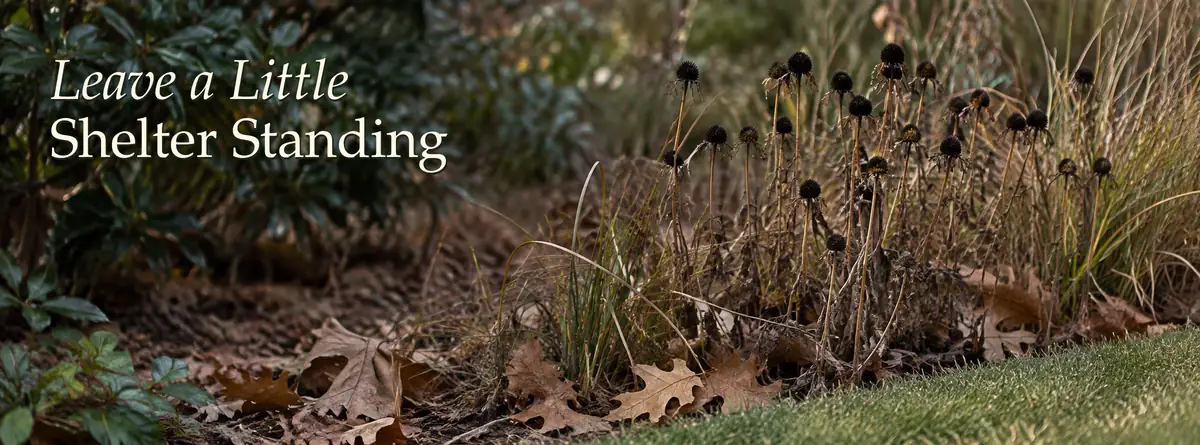
Sometimes the next step is leaving things where they are. Intact seed heads, upright stems, and fallen leaves can give food or cover after blooming ends. When you clear away everything from the growing season, you may also take away valuable habitat.
Pick a specific spot to let leaves stay under shrubs or among mature plants. Keep paths, drains, and busy lawn areas clear. Don’t let thick piles of leaves bury plant bases. A neat bed edge keeps things tidy while letting the inside stay more natural.
It’s still important to clean up what needs it. Take out diseased or blocking growth. Don’t leave dangerous branches just because dead wood can help wildlife. The main goal is to keep safe and helpful habitat, making choices based on what’s actually in your garden.
Make the Week a Starting Point
Snap a picture before you start and jot down what you plant. Track blooming times, any water issues, and which animals visit as the year goes on. If you don’t see wildlife every day, that doesn’t mean your work failed—visits depend on the larger landscape, not just your yard.
Use your notes to decide what to do next season. Maybe the fall flowers were a hit, but there isn’t enough food in spring. Maybe some plants need more room. Growing slowly lets you learn as you go, instead of changing everything at once.
If you want help picking your first planting spot, contact Front Yard Forest and share some photos plus the wildlife you want to attract. A small, focused project can celebrate Native Plant Week and leave you with a garden that’s easy to look after.